Drain Line Inspection in Cary, NC
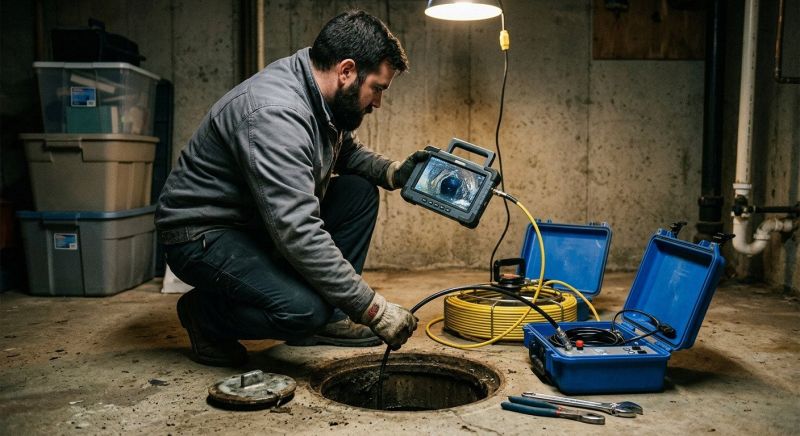
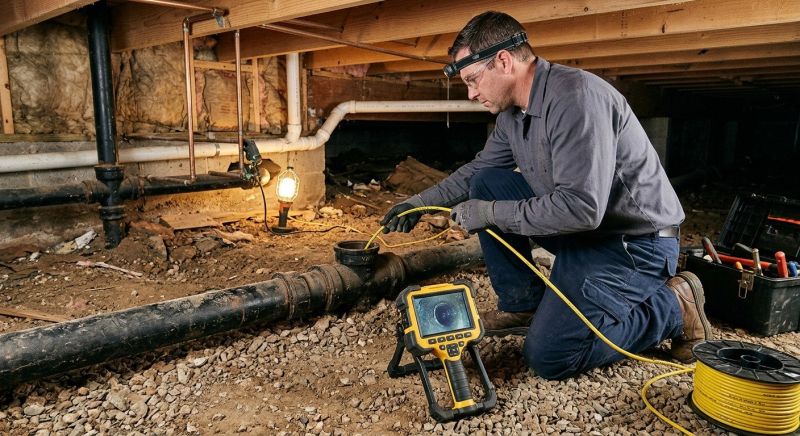
Drain line inspection services involve the use of specialized equipment, such as video cameras, to examine the interior condition of underground or hidden drain pipes. This process helps identify issues like blockages, cracks, corrosion, or root intrusion that may be causing drainage problems or potential backups. These inspections are commonly requested during situations such as persistent clogs, foul odors, slow drains, or before purchasing a property to assess the condition of the plumbing system.
Property owners typically want to understand the exact cause of drainage issues and determine whether repairs or replacements are necessary. It’s important to know what sections of the drain line need inspection and whether the service can detect potential problems early before they lead to costly repairs. Clarifying the scope of the inspection and any limitations of the process can help homeowners make informed decisions about maintaining or improving their plumbing system.
Many property owners in Cary, NC look into Drain Line Inspection for repairs, replacements, upgrades, and appearance-related improvements.
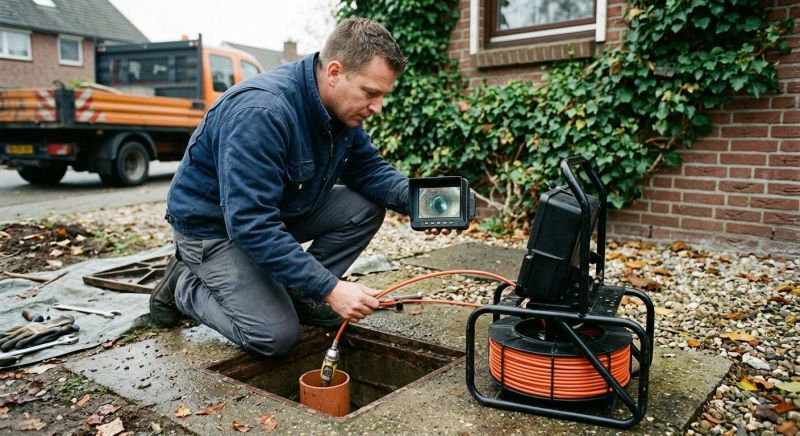
Drain Line Inspection Benefits
Identifies blockages, leaks, and potential issues before they cause serious damage.
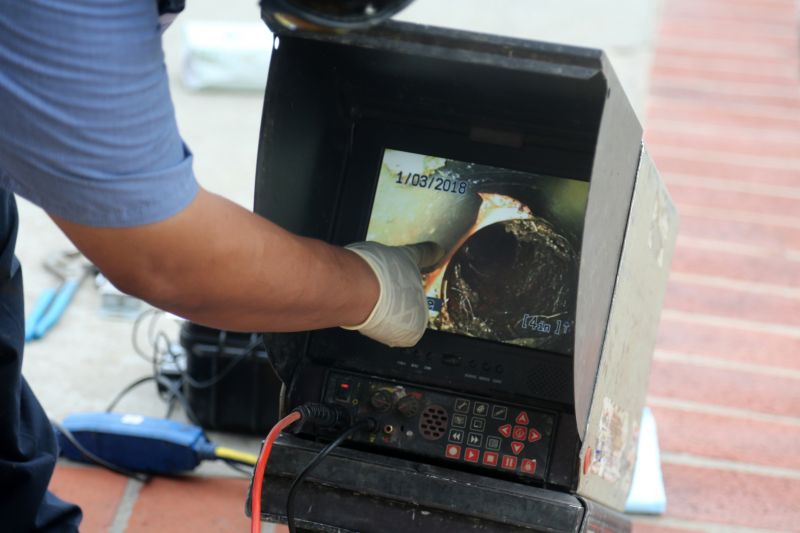
Common Inspection Situations
Useful for diagnosing slow drains, foul odors, or recurring backups in cary homes.
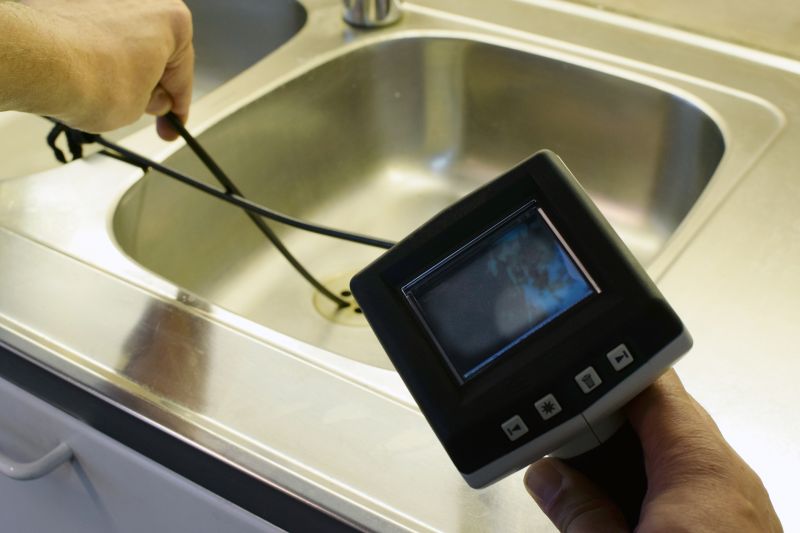
Inspection Techniques
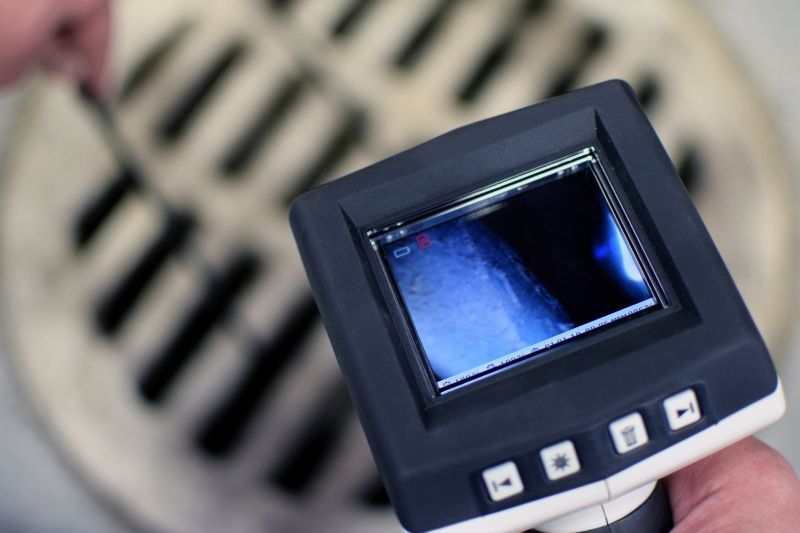
Utilizes advanced cameras to visually assess the condition of underground or hidden drain lines.
Drain Line Inspection in Cary, NC

Drain line inspection services involve the use of specialized equipment, such as video cameras, to examine the interior condition of underground or hidden drain pipes. This process helps identify issues like blockages, cracks, corrosion, or root intrusion that may be causing drainage problems or potential backups. These inspections are commonly requested during situations such as persistent clogs, foul odors, slow drains, or before purchasing a property to assess the condition of the plumbing system.
Property owners typically want to understand the exact cause of drainage issues and determine whether repairs or replacements are necessary. It’s important to know what sections of the drain line need inspection and whether the service can detect potential problems early before they lead to costly repairs. Clarifying the scope of the inspection and any limitations of the process can help homeowners make informed decisions about maintaining or improving their plumbing system.
Many property owners in Cary, NC look into Drain Line Inspection for repairs, replacements, upgrades, and appearance-related improvements.
Common Drain Line Inspection Jobs
Drain line inspection services help identify blockages and damage within underground pipes.
They are useful for diagnosing slow drains or recurring backups in residential and commercial properties.
Video inspection tools allow for a clear view of the interior condition of drain lines.
Inspections can detect root intrusion, cracks, corrosion, or collapsed pipes early.
Regular drain line inspections can prevent costly repairs by catching issues early.
Property owners can use inspection results to plan effective drain maintenance or repairs.
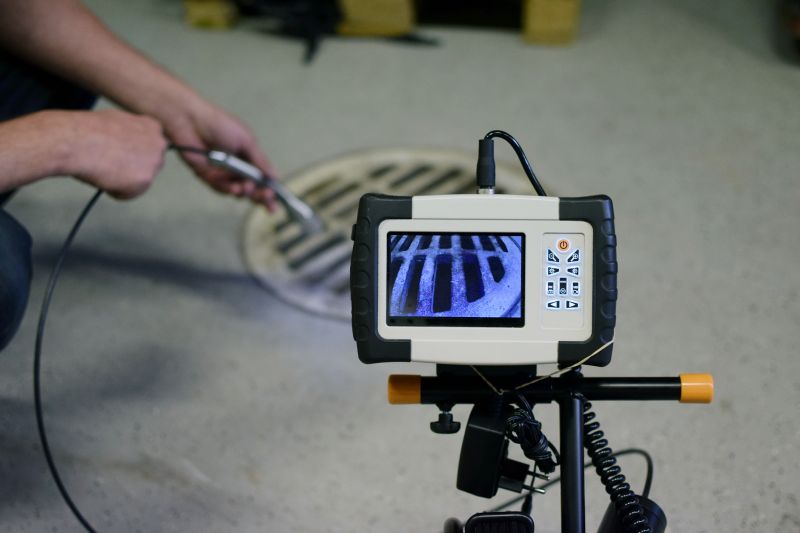
Drain Line Inspection Questions
What is a drain line inspection? It is a process that uses specialized cameras to examine the interior of drain pipes to identify blockages, damages, or other issues.
When should drain line inspections be performed? Inspections are recommended when experiencing slow drains, recurring clogs, or before installing new plumbing fixtures.
What types of drain lines can be inspected? Both main sewer lines and interior drain pipes, such as those under sinks and in basements, can be examined with a camera.
How does a drain line inspection benefit property owners? It helps locate problems early, reduces the risk of costly repairs, and ensures proper drainage system function.
Request Drain Line Inspection in Cary, NC
Use the quote form on this page to share the basics of your project and request more information for the type of work you need.